Let’s talk about that conversation you have been avoiding.
I coach entrepreneurs, business owners, and leaders through the conversations that are critical to whether a business moves forward or fails.
No pitch. If it isn't a fit, I'll tell you.
You probably already know which one it is.
An employee who hides critical decisions that negatively impact the business.
The partner whose actions show a lack of respect for your role as a fellow owner.
A key employee everyone else has quietly built workarounds for.
A family member on the payroll.
The team member who was a friend before you became their boss.
A client who has become unprofitable, and doesn't know it.
A cultural difference that is creating misunderstanding.
Waiting is not neutral.
A conversation that isn't had doesn't go away. Worse, it gets more expensive. Not because the problem grows, but because the delay becomes part of the issue. Now there's the original problem, and there's the fact that you let it become part of daily life.
Others notice. They may not know the specifics, but they know something is being tolerated. That teaches them what the standard actually is, regardless of what you've said it is.
And you carry it. On the drive home, into the weekend, into the next hire you don't quite trust because the last one went sideways.
Most leaders don't avoid these conversations because they're weak. They avoid them because they care about the person, and they don't have the tools to address the issue while caring for the person.
The Hard Conversation
Roughly six weeks. Four sessions. One conversation you stop avoiding.
Before you start
Intro call
30 min, free
Week 1
What's at stake
60 min
Weeks 2 to 3
Preparation
60 min
Week 4 or 5
You have it
Check in before and after
Week 5 or 6
Debrief
60 min
1. What's actually at stake
We don't start with what you'll say. We start with what you want on the other side of this, what is causing the tension, and honestly look at how it got here. We separate what was actually said and done from the story you've built around it. Spoiler: most people discover the conversation they've been rehearsing isn't the one they need to have.
2. Preparation
We shape the conversation, then pressure-test it by talking through how it could go: if they cry, if they get angry, if they agree too fast just to make it stop. No script, because scripts fail the moment the other person throws a curveball. You'll have the tools to be ready for a conversation that doesn't follow one.
3. You Have the Conversation
This part is yours, but you won't go in alone. We'll touch base beforehand, I'll send you a short note with what we prepped, and we check in briefly afterward.
4. Debrief
What happened, what surprised you, and what did you learn about how you lead. This is where the work stops being about them and starts being about you.
$1,750: flat fee, paid as we begin. One price, no hourly rate.
I hold two spots each year at a reduced fee for people leading in hard places with thin resources: early-stage founders, nonprofit and ministry leaders, people doing this work overseas. If that's you, say so on the call. It won't be awkward.
When this isn't the right work
I'd rather tell you now.
You've already made the call (firing someone, for example) and want help feeling better about it. That's a decision, not a conversation.
You want a script to memorize. I don't work that way, and it doesn't hold up under pressure.
The situation needs an employment attorney or a formal HR process. Get that first. I'm happy to be useful after.
Most of the time, one is enough.
You'll have handled it, and you'll know how you handled it. That's a complete piece of work, and plenty of people stop there.
Sometimes the debrief surfaces something else: a pattern, where this turns out to be the fourth version of the same conversation and the common factor is you. That's what ongoing one-on-one coaching is for, and it's an option when you want it.
And sometimes what surfaces is simpler and harder: you've been carrying the whole thing alone. That's what my Peer-Advisory Group is for, and I'm glad to tell you about it.
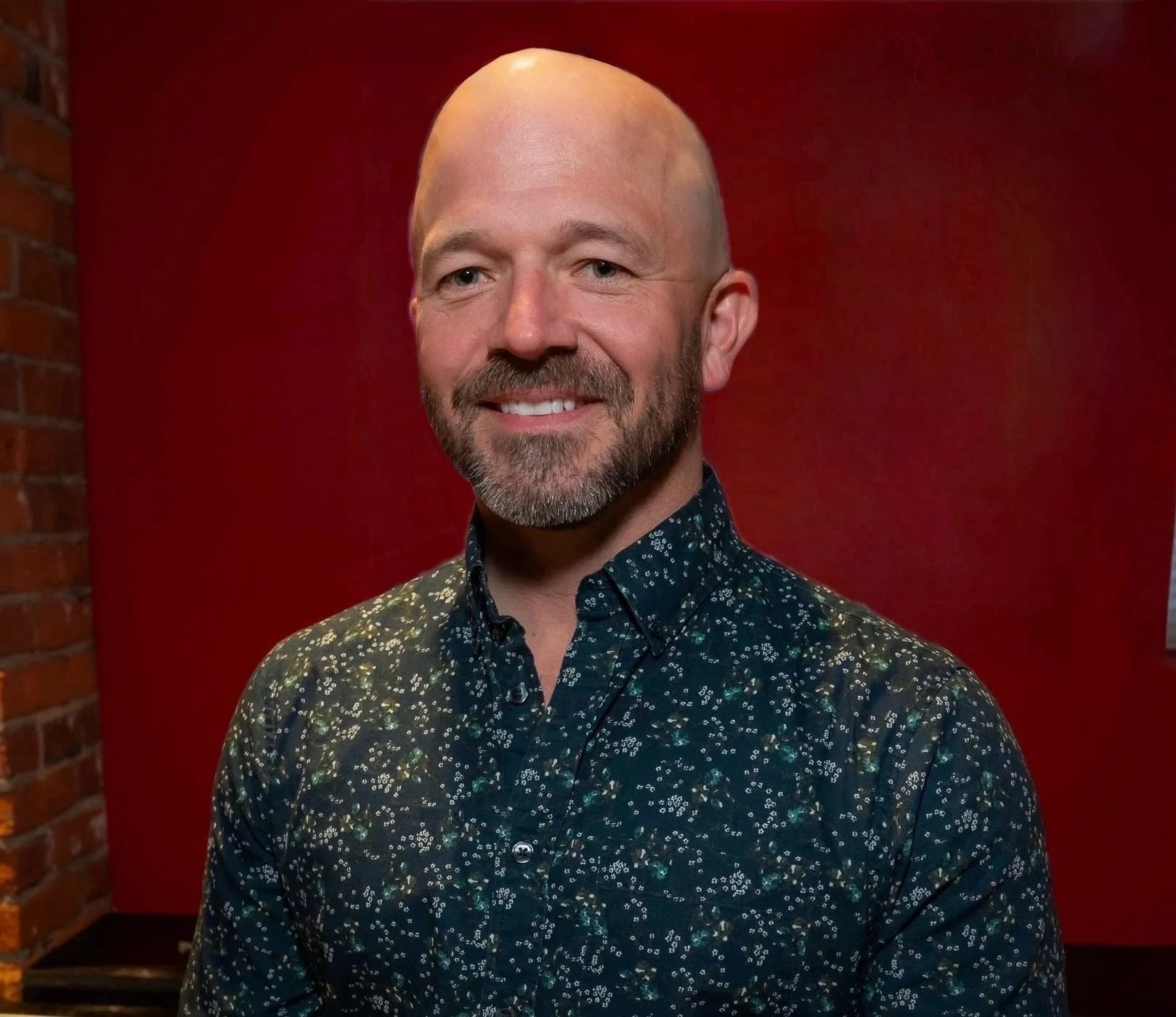
Why I'm qualified to sit across from you
I spent thirteen years at an investment firm that grew from $200 million under management to over $7 billion. I was there for the version of the company that had a handful of people and the version it grew into.
Then I left it. I moved to South Asia, founded SCALE Consulting, and facilitated entrepreneurial training programs across eighteen countries, until the funding for that work ran out. I co-founded the first coworking space in my Boston neighborhood, which survived the pandemic and is now thriving. I teach business courses at a local college and serve on the board of Equipping Farmers International. My full background is on LinkedIn.
I'm telling you this because I've had these conversations. I've had the one where I was wrong. I've had the one I waited too long to have and paid for the delay.
You'll learn and practice the tools I use every day.
Why I do this work.
My working definition of leadership comes from Andy Crouch: being more concerned with the flourishing of the people around you than with your own. And flourishing means fully, abundantly, gloriously alive.
That framing rules out a lot. It rules out leadership as having the right answers. It rules out coaching as advice-giving. What's left is harder and more useful: asking the questions that bring what's already in you to the surface, and building the next step together.
I do this work because I believe the businesses we build and the people we lead genuinely matter.
“John has a remarkable ability to understand and conceptualize my needs, while affirming and challenging me with kindness, patience, and insight. His guidance has brought greater clarity and intentionality to both my personal and business development.”
“He asks pointed questions that cut through mental clutter to identify key themes. In each of our sessions, I have started with a jumble of thoughts and left with clarity to step into purposeful action.”
Start with the conversation about the conversation
Thirty minutes. Free. You describe the situation, I ask questions, and at the end I tell you whether I can help.
If I can't, I'll say so and point you somewhere better.